Technical name: LUDWIG Ultrasound | Trade Name: UltraVision™
Abstract
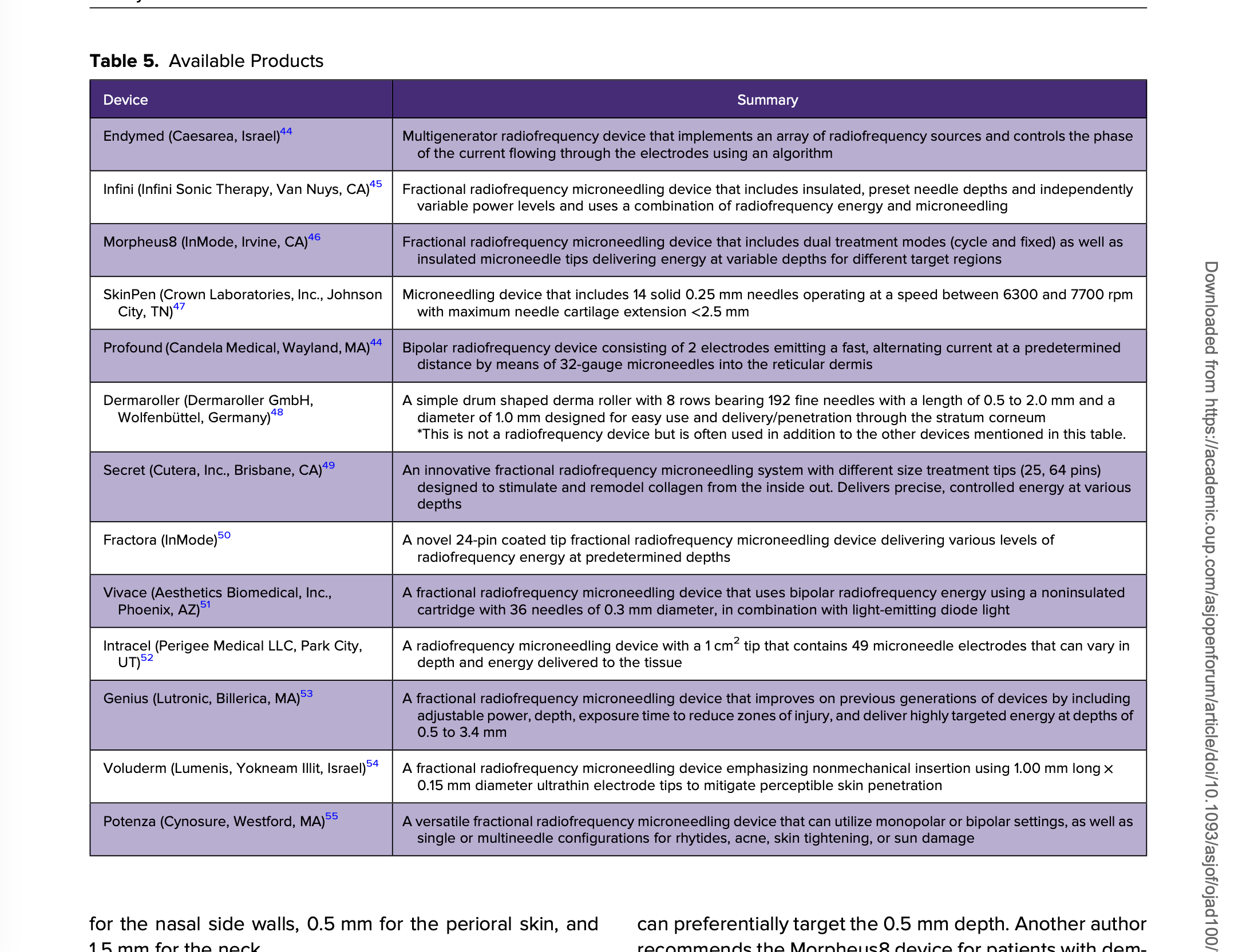
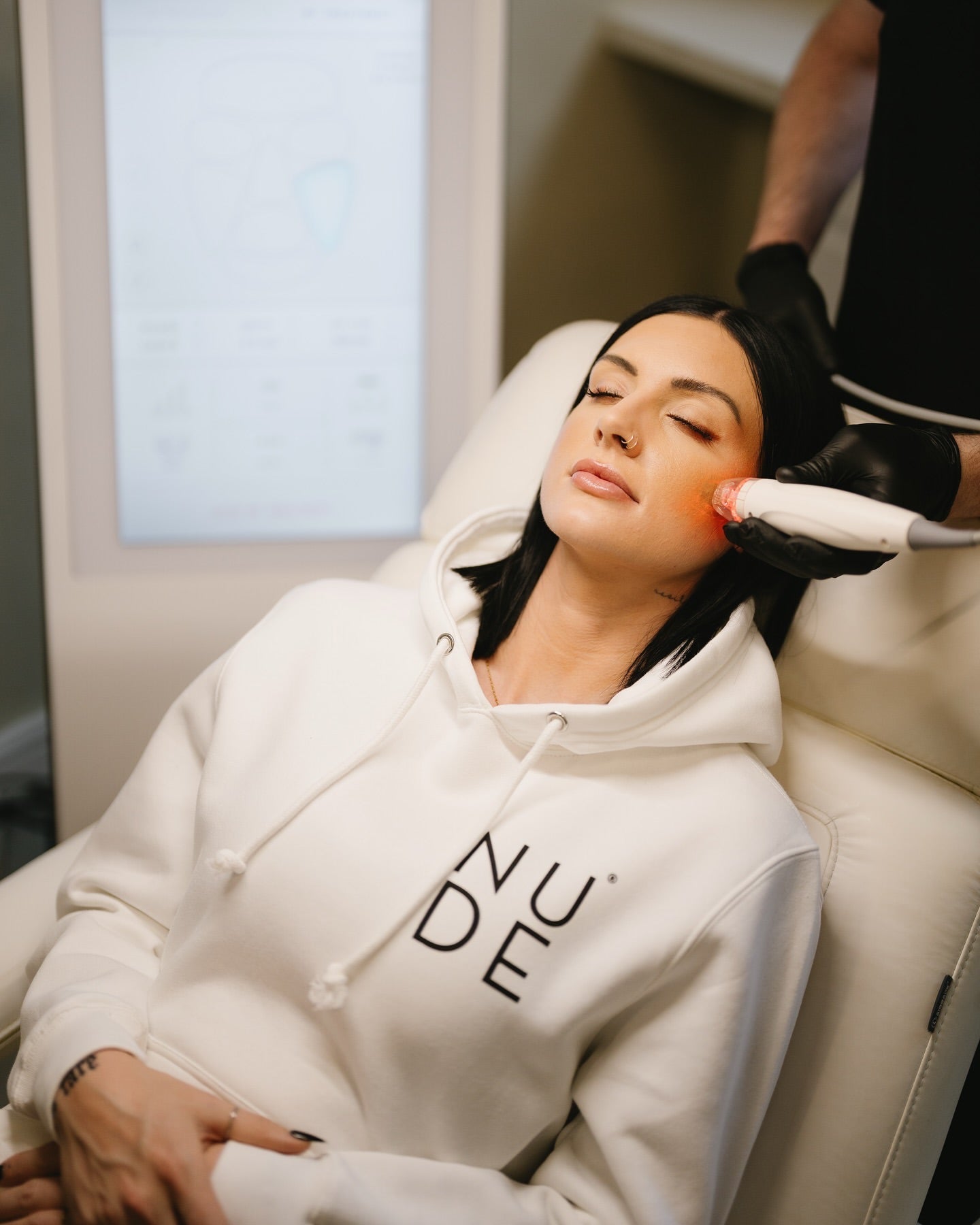
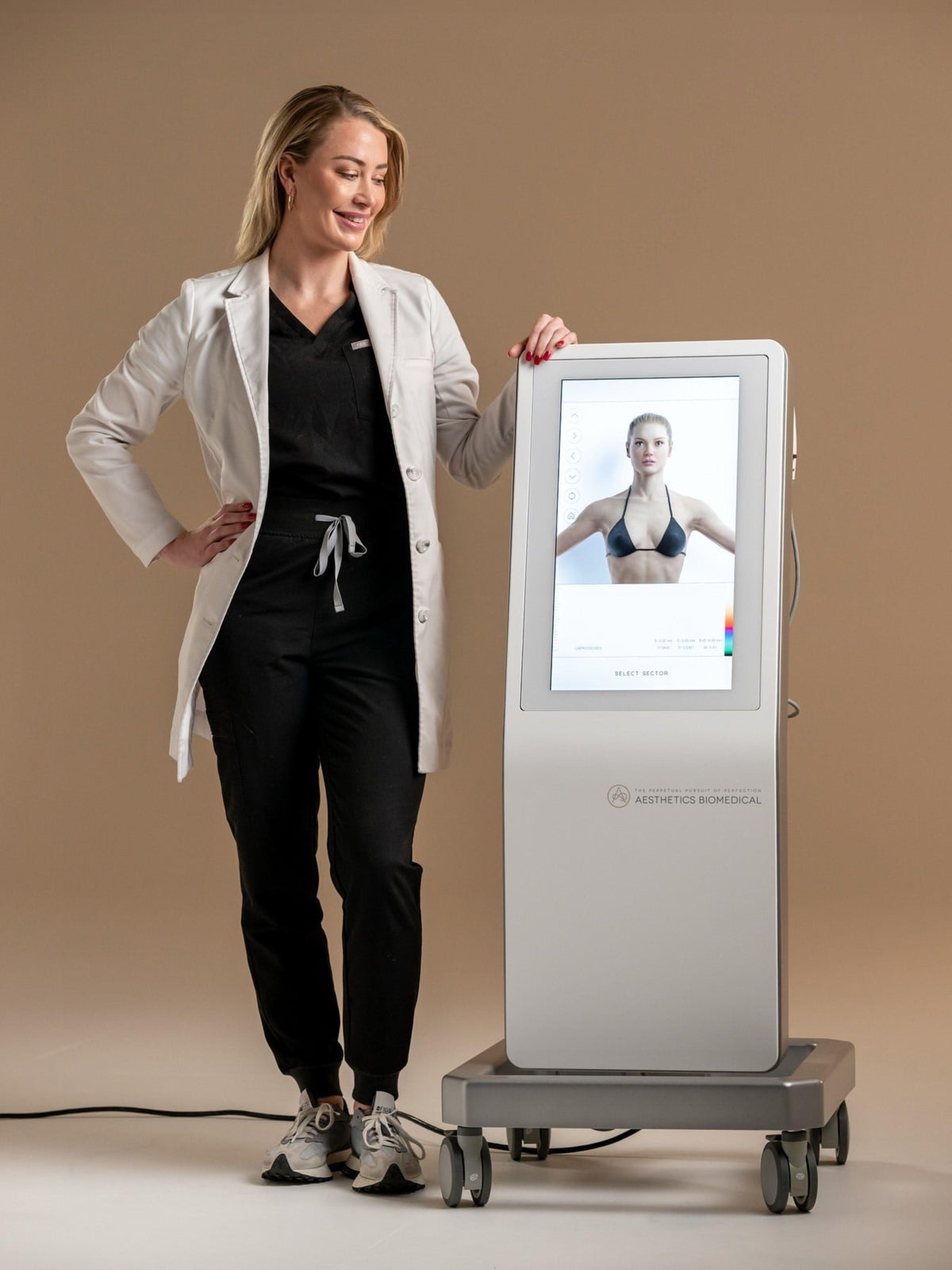
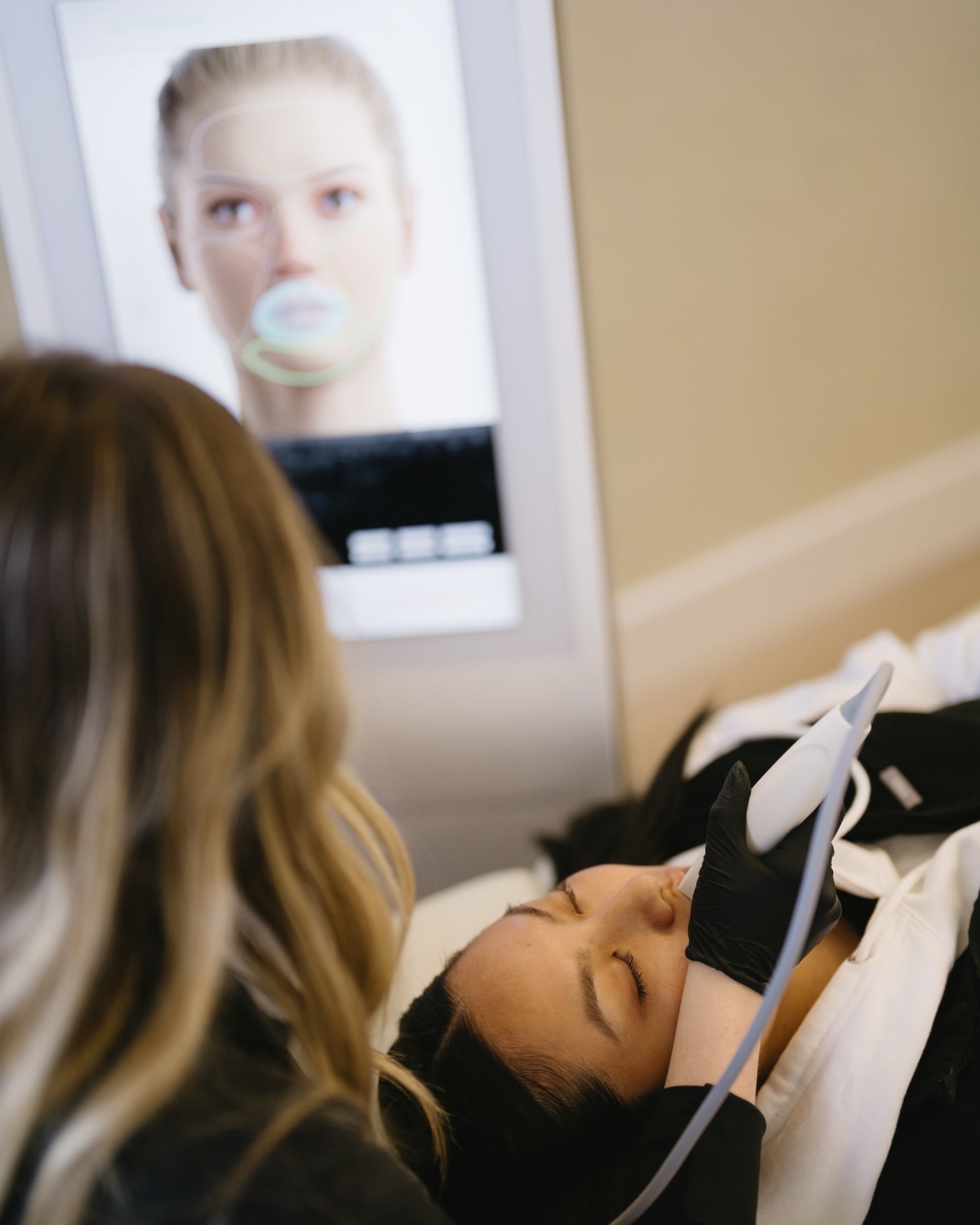
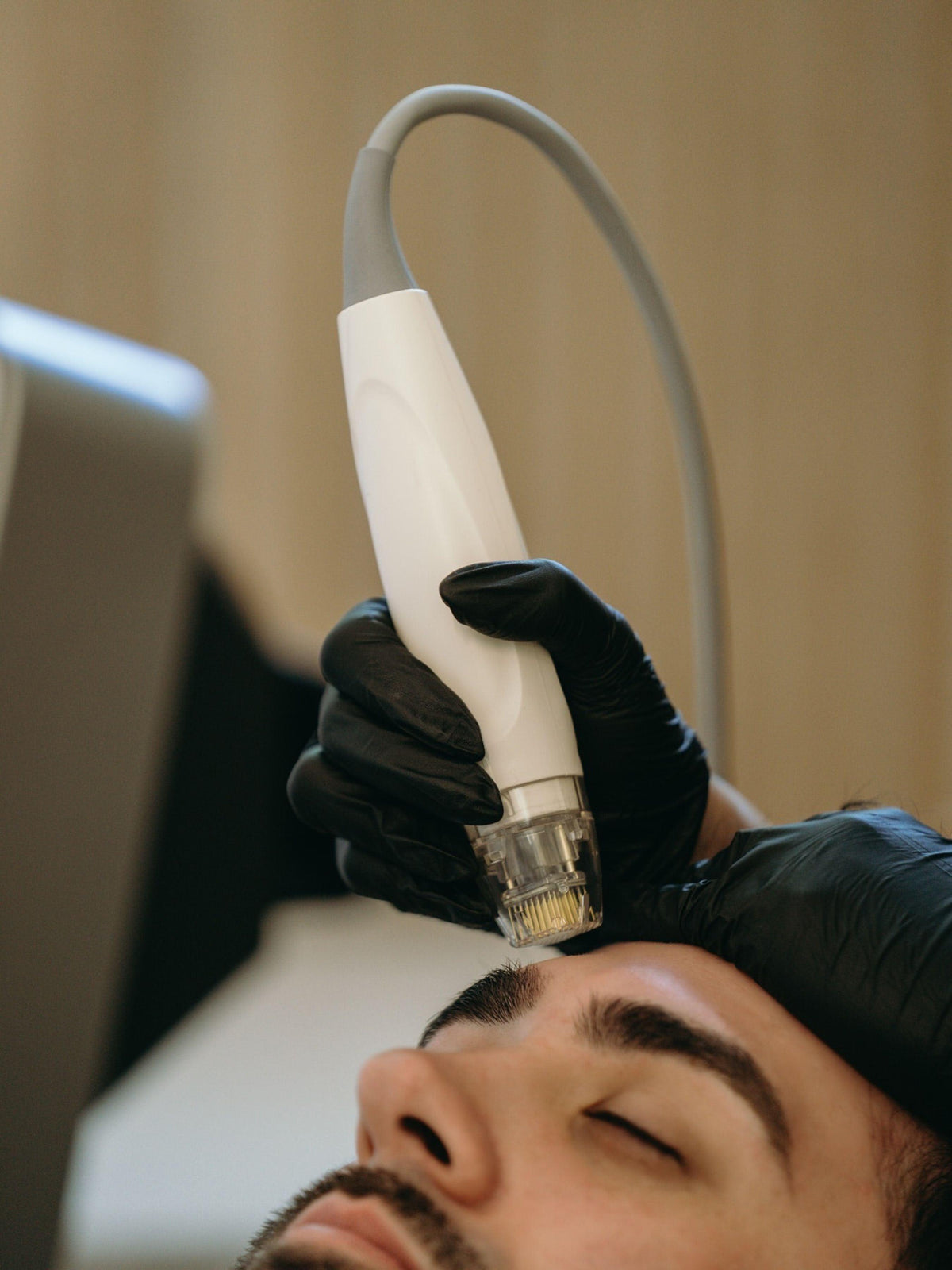
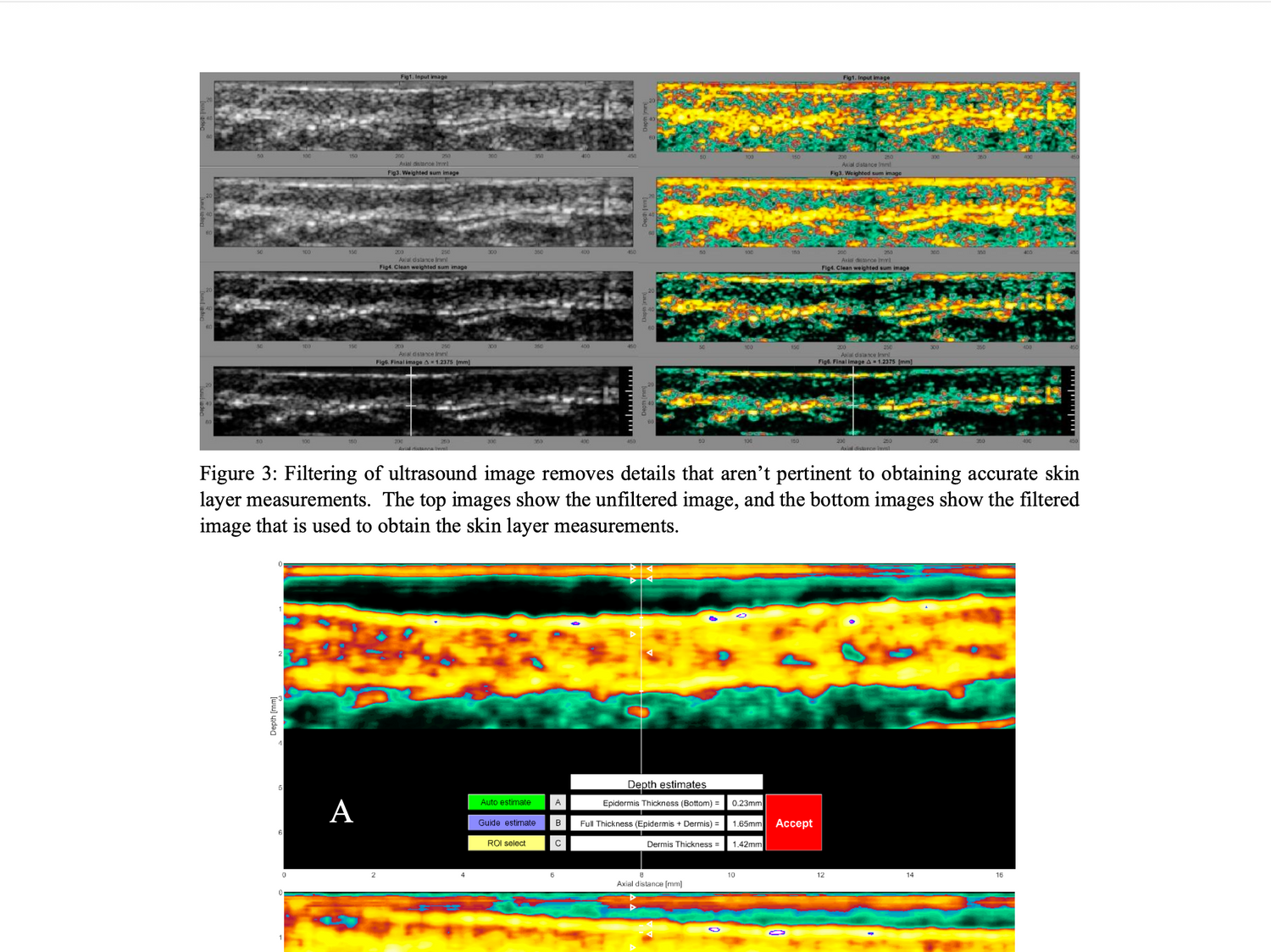
Background: The LUDWIG Uniform Radiofrequency Microneedling System integrates a bipolar RFMN applicator with an ultrasound diagnostic imager (17 MHz center frequency, B-mode) that visualizes the epidermis, dermis, and hypodermis to guide microneedle depth settings for safer, more efficacious treatment.
Objective: To verify that the LUDWIG ultrasound probe accurately and reliably images and measures skin layer depth across all Fitzpatrick skin types.
Methods: In this pilot study, 30 healthy adult subjects (5 per Fitzpatrick skin type I–VI) were scanned with the LUDWIG probe across 31 facial and body regions at baseline, with a second scanning session 6 weeks later to assess consistency. Ultrasound images were evaluated for clarity, ability to differentiate skin layers, and depth measurement accuracy. Three independent image-segmentation algorithms were developed to estimate epidermal and dermal thickness, with a guided (manual region-of-interest) estimation method available when automated segmentation was confounded by artifacts such as ultrasound gel, hair follicles, bone, or vasculature.
Results: 29 of 30 subjects (one withdrawal) completed both visits with no adverse events; the ultrasound procedure was well tolerated. The device produced consistent, clear images across all skin types and body regions, with automatic gain adjustment improving at the 6-week visit compared to manual adjustment at baseline. Depth estimates between visits differed by an average of 1.75%. The segmentation algorithms accurately estimated skin layer boundaries in approximately 85% of images; the remaining 15% were resolved via guided estimation or rescanning, with rescans processing in under 10 seconds.
Conclusion: The LUDWIG ultrasound probe reliably and reproducibly images and measures epidermal and dermal depth across diverse skin types, body regions, and patient demographics, supporting its use for calibrating microneedle insertion depth in RF microneedling procedures.