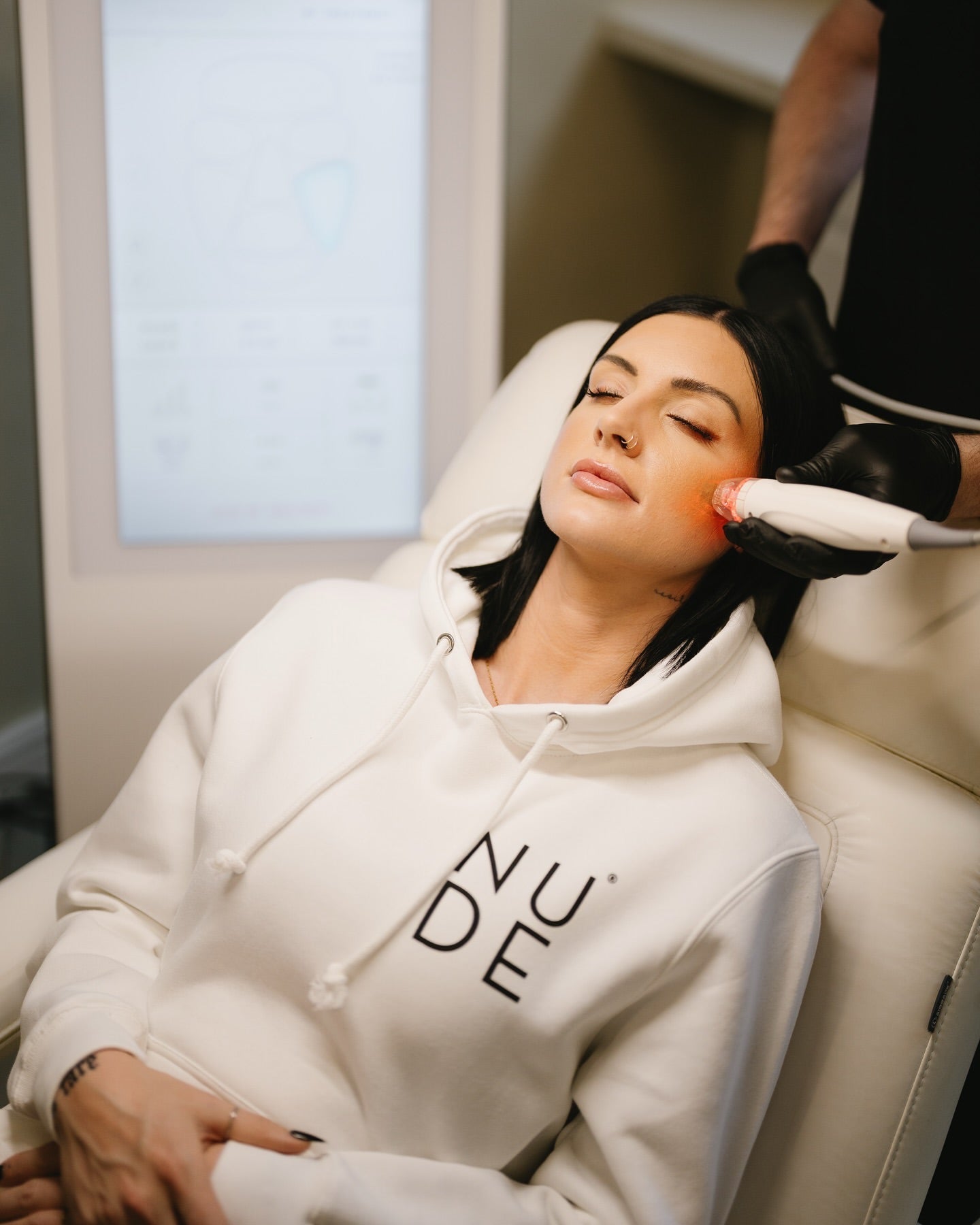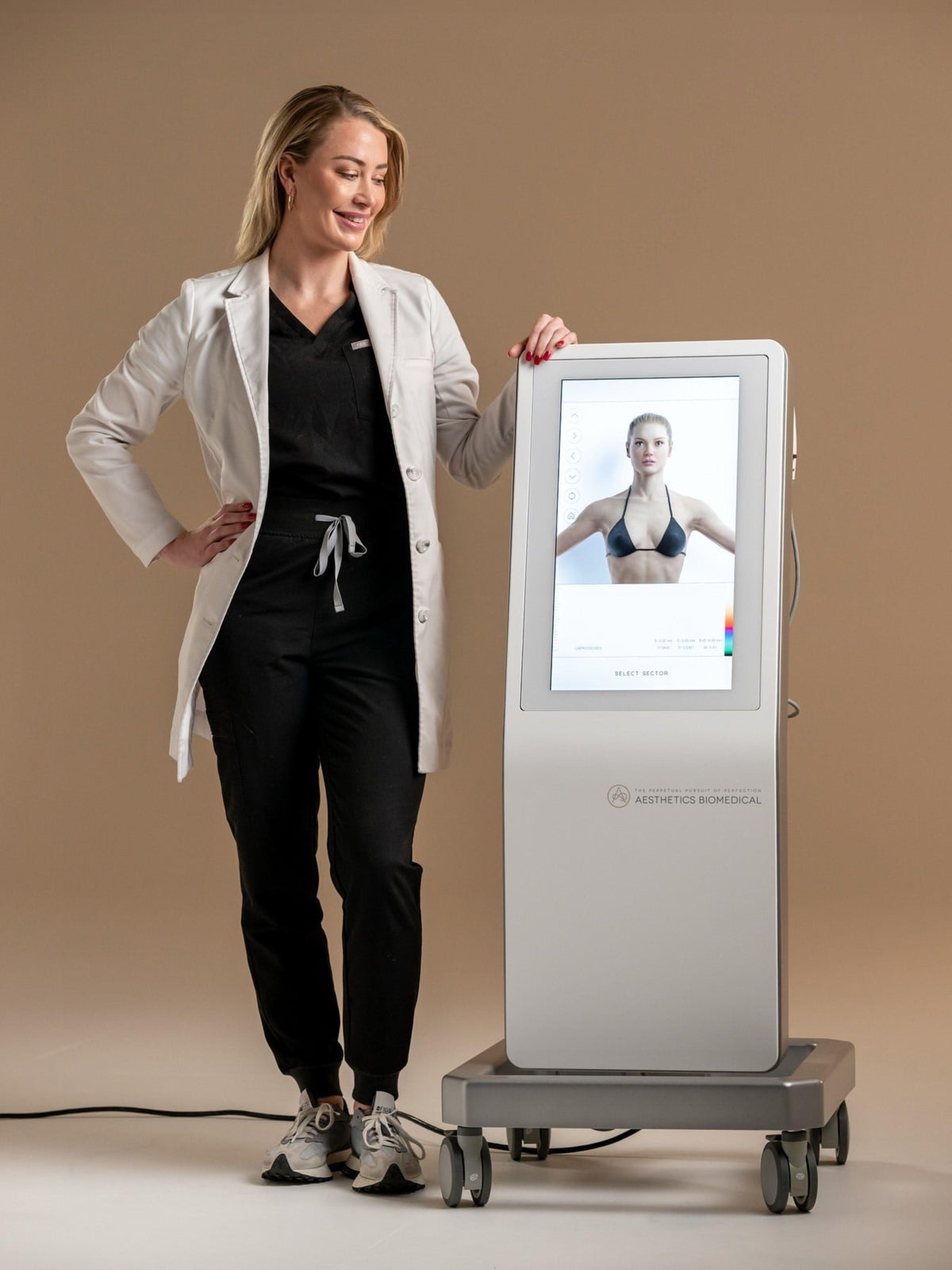
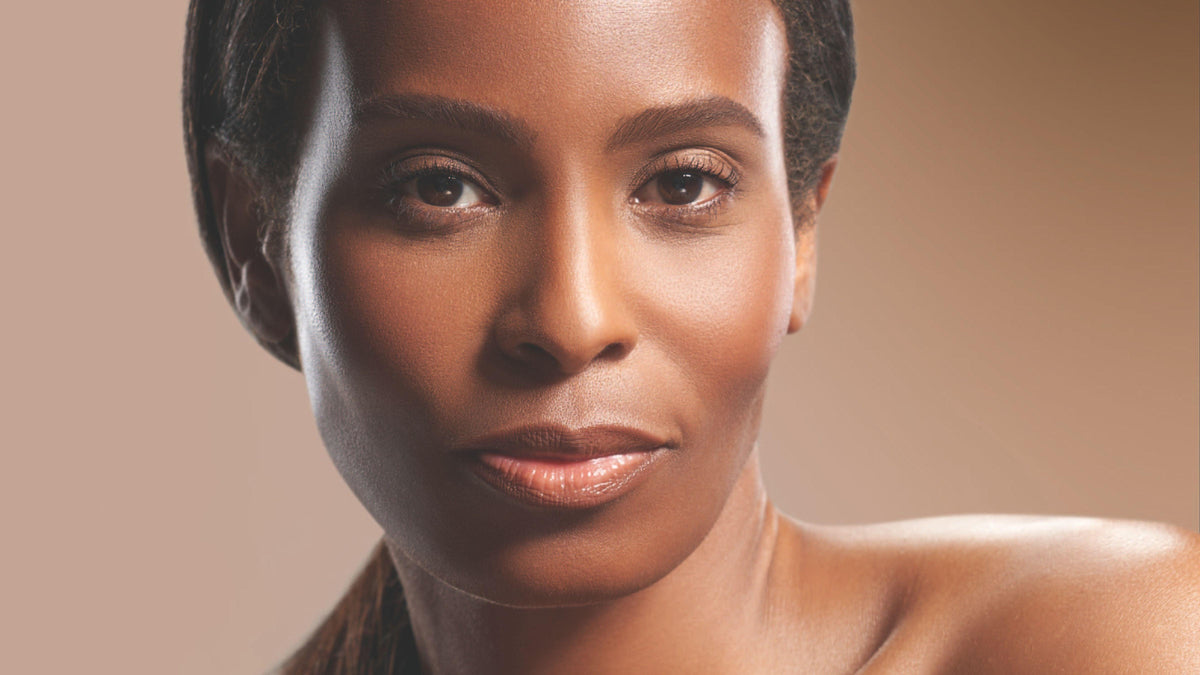
Unmatched precision with UltraVision™
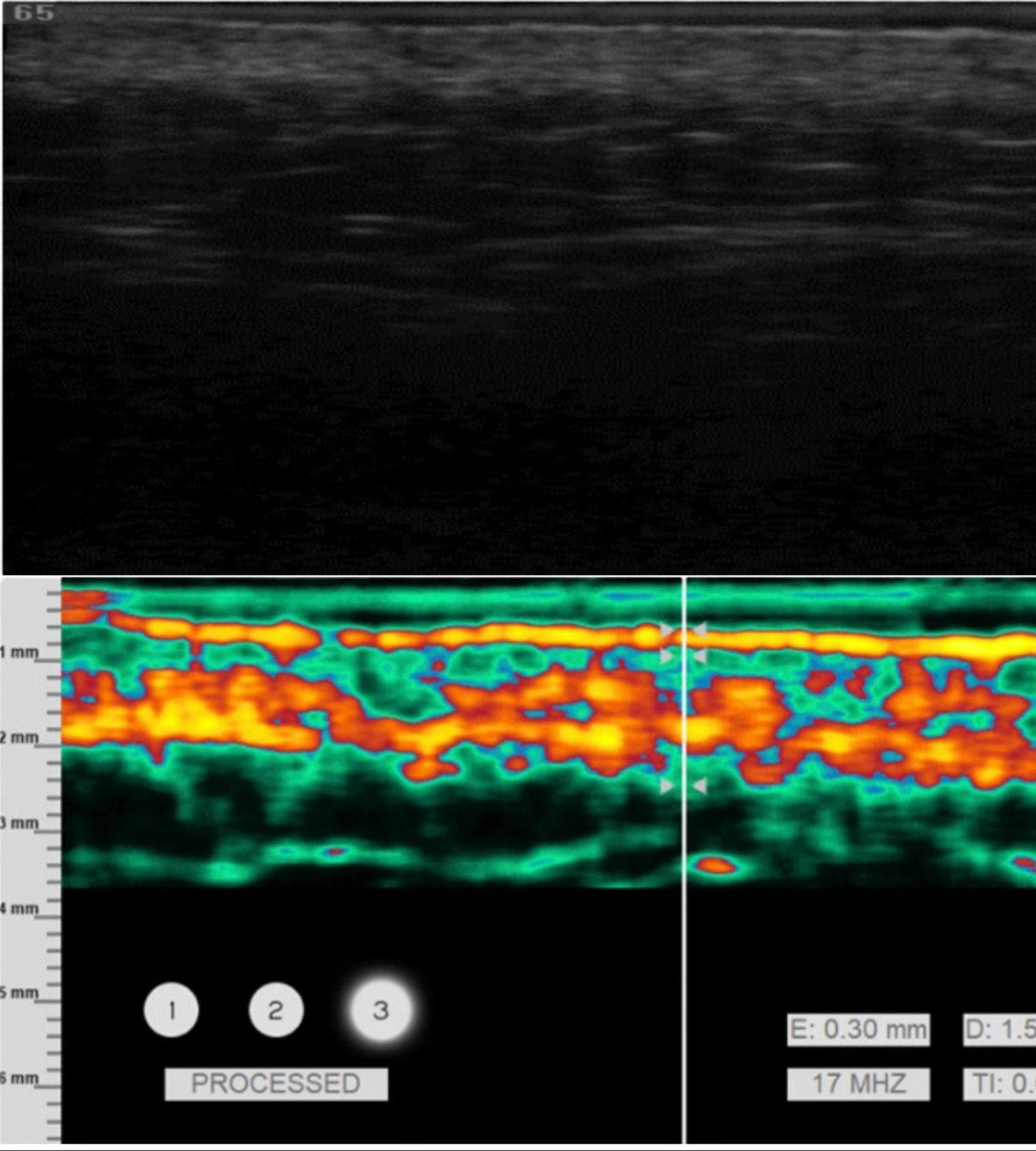
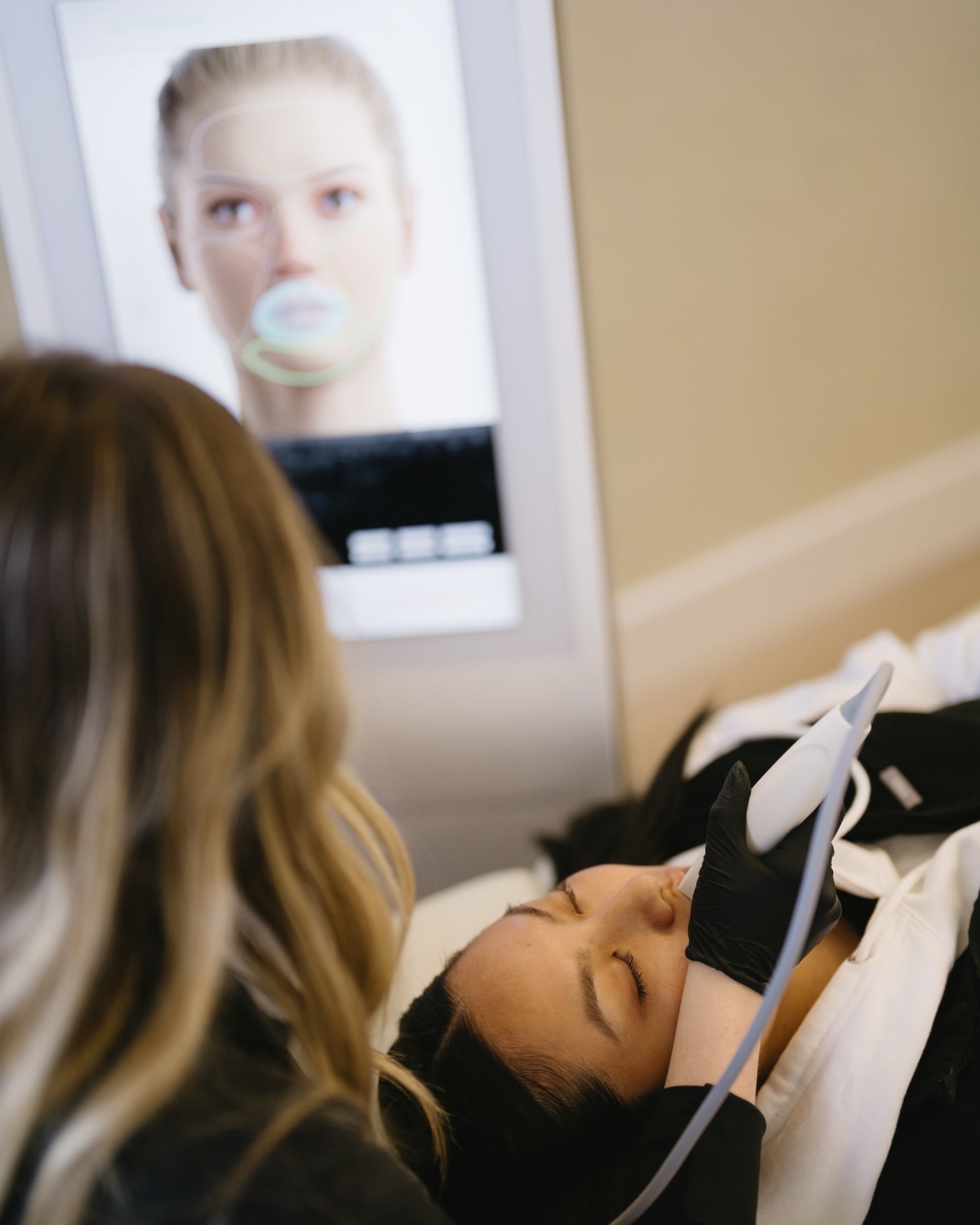
AI-Powered Ultrasound Mapping
Measure each skin layer before you treat — precision that no other RF device offers.
95%
of patients noticed a significant improvement in skin texture and tightness after a series of treatments of UltraVision™ RF (between 2-6 sessions).
85%
of patients stated they would be more interested in receiving RF microneedling only with the addition of ultrasound guidance (to provide a more precise and personalised experience).
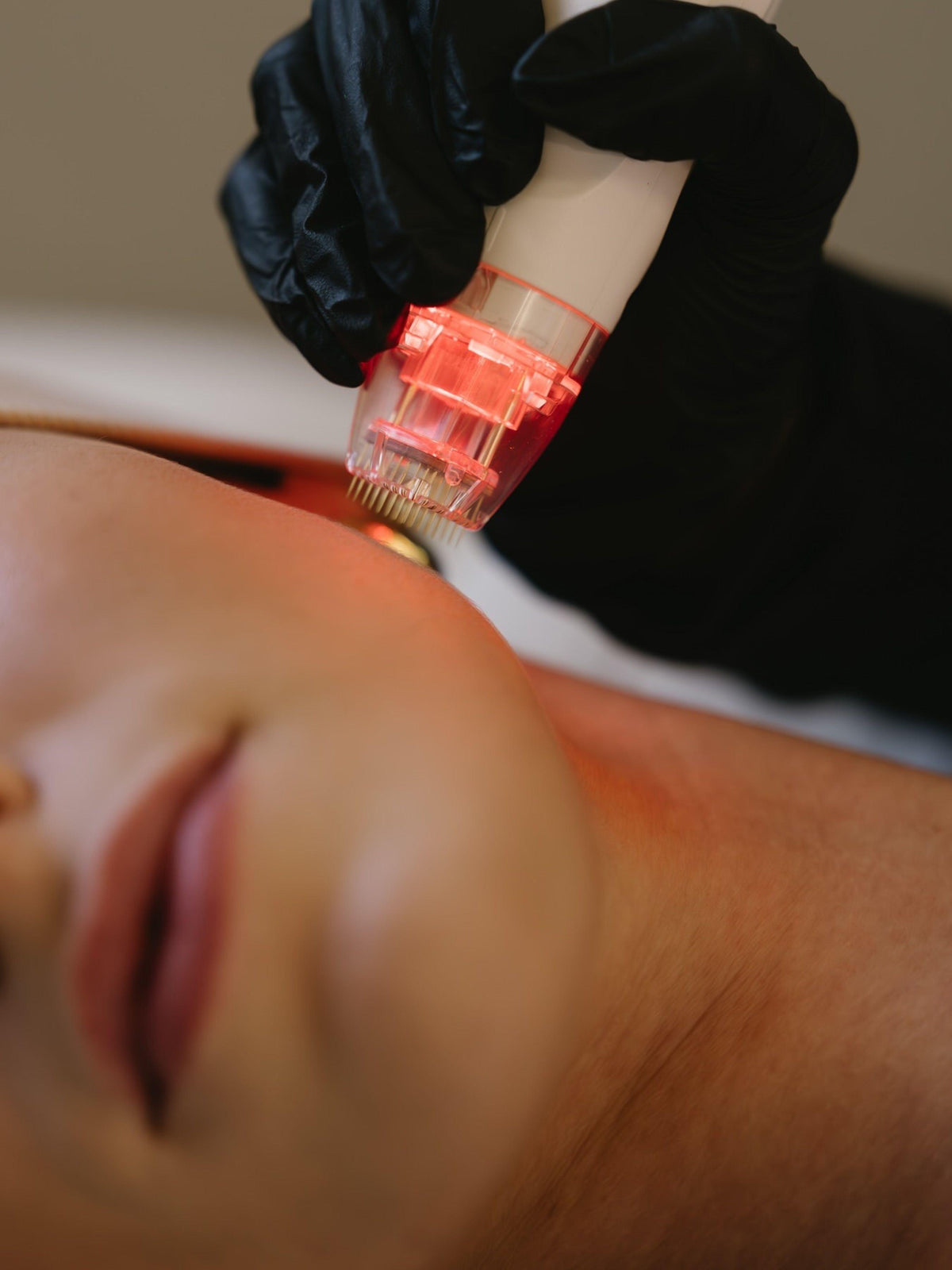
Built for Every Treatment
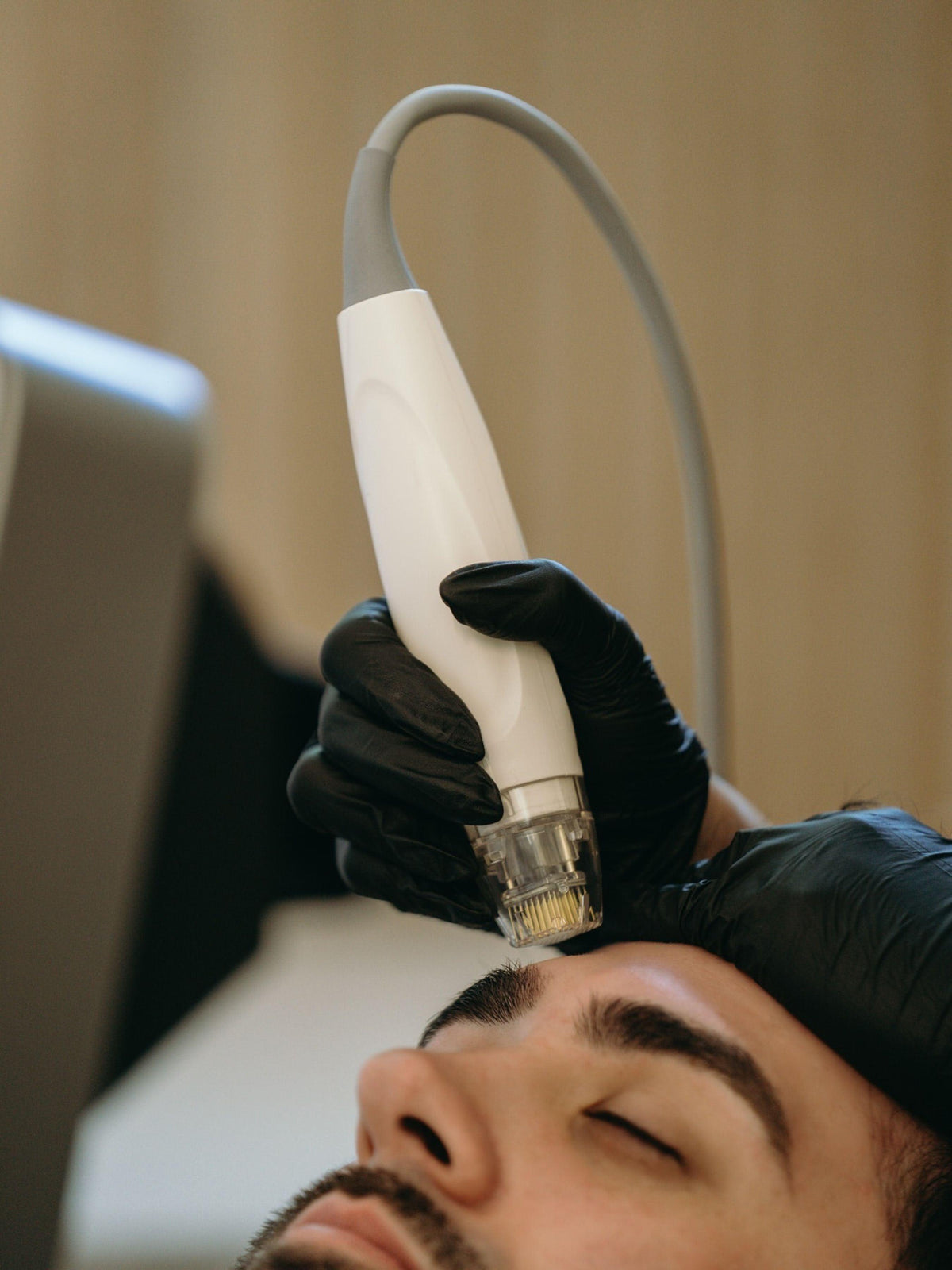
3 frequencies, 10 power levels, insulated and non-insulated needles, and 4, 36, and 60-pin arrays — endless customisation for every patient.
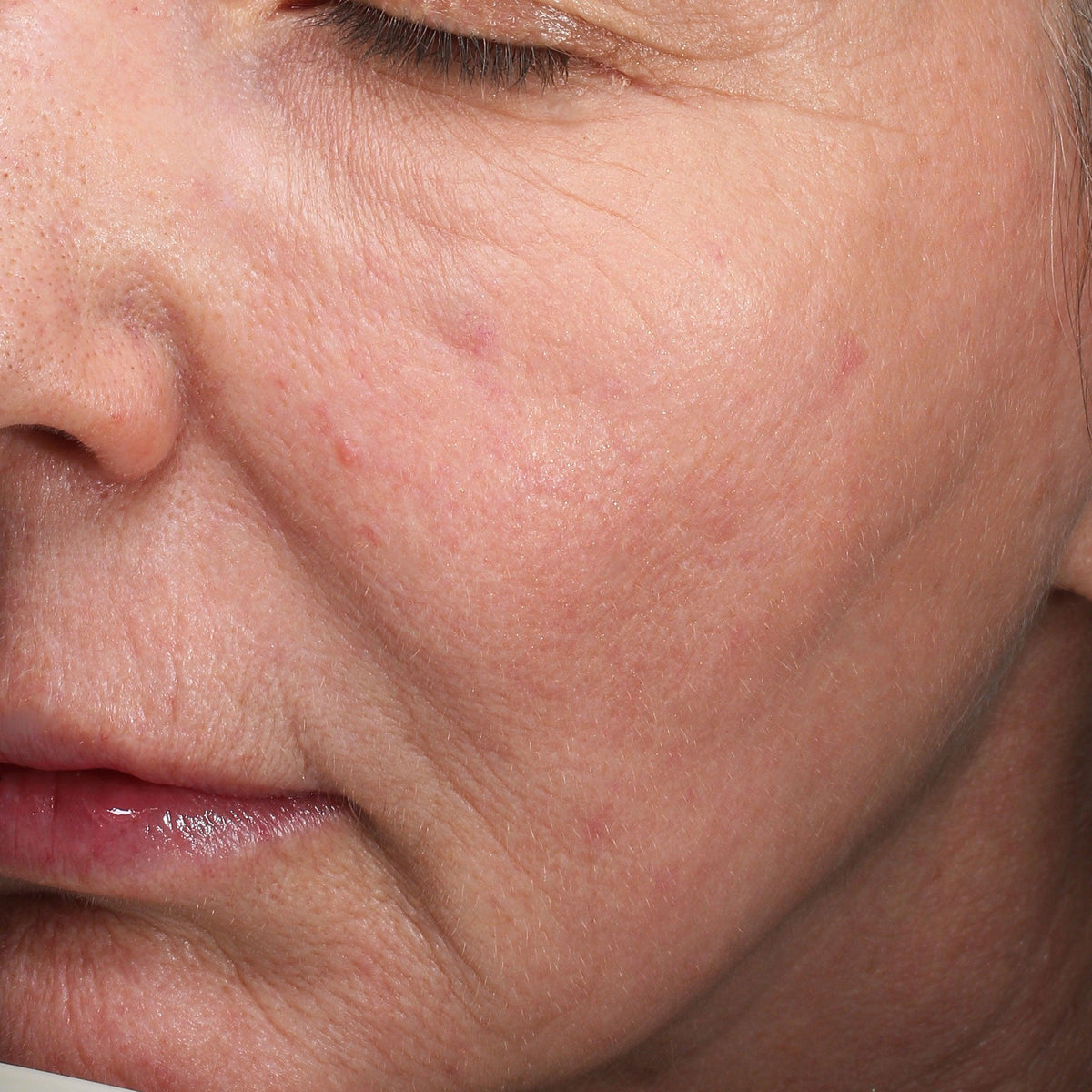
Epidermis Targetting
Texture & Pigment
Step 1: Ultrasound mapping to pinpoint the mid-epidermis depth.
Step 2: Example RF settings; 2 MHz, non-insulated needles, 4-pin array.
Results after 1 UltraVision™ treatment. Individual results may vary. Treatment by Aesthetics Biomedical® Inc.
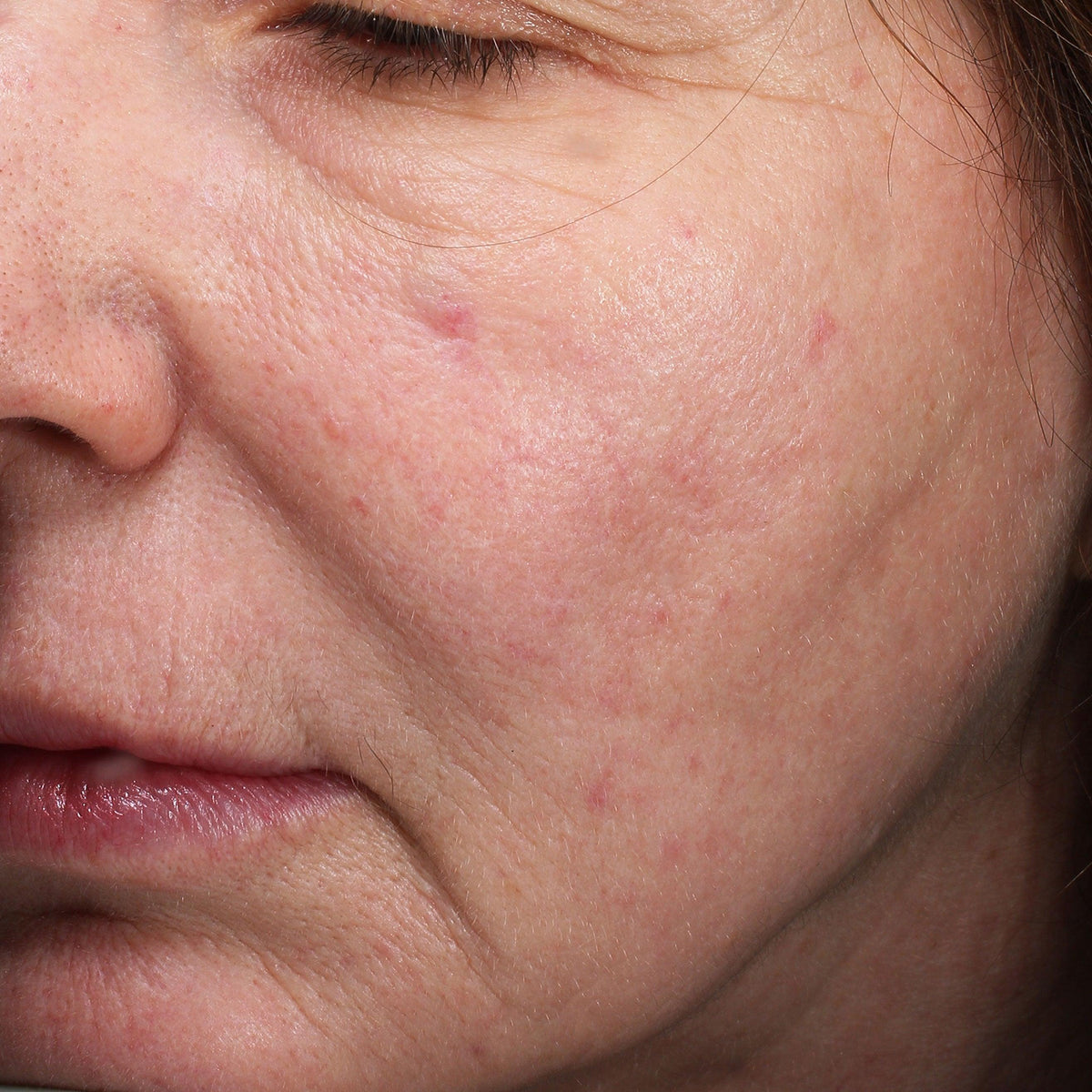
Before
After
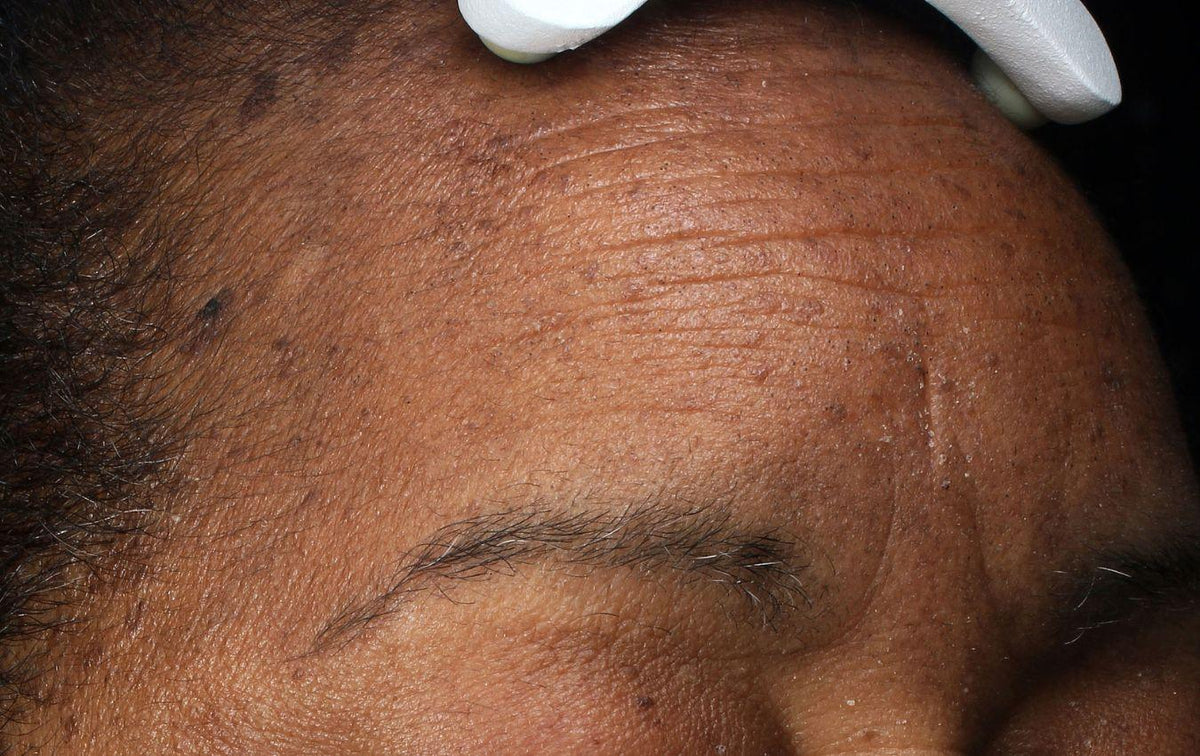
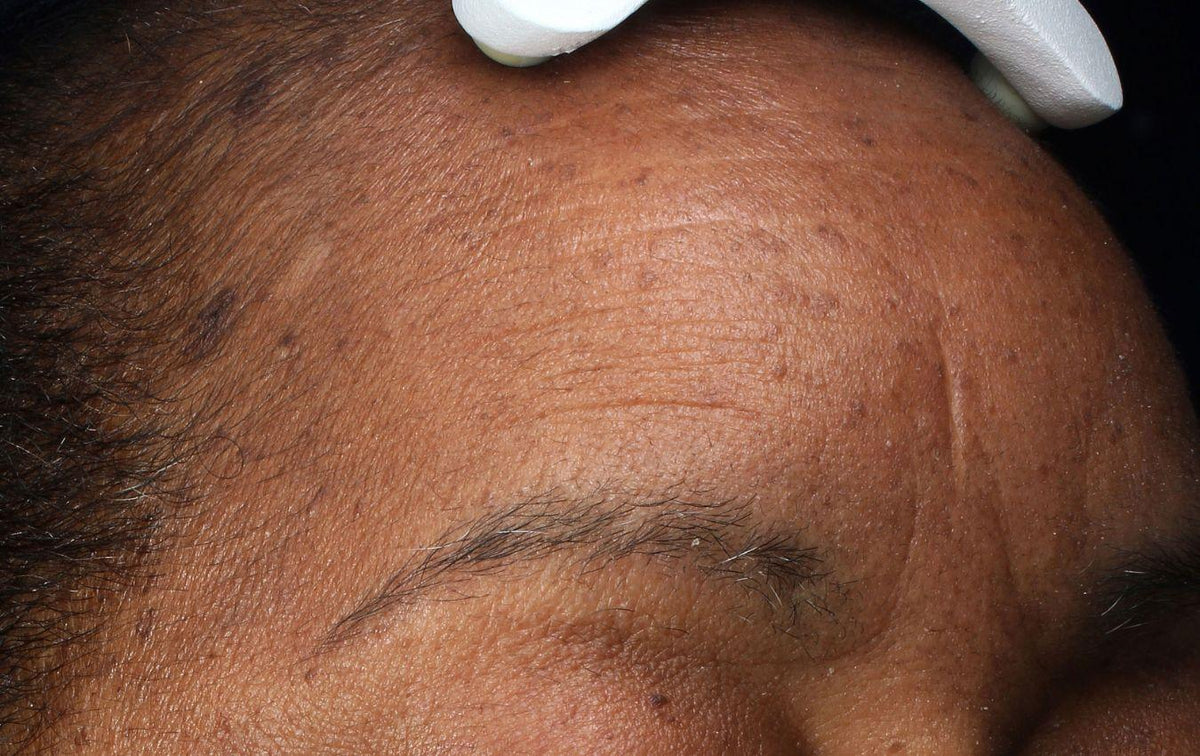
Mid-Dermis Targeting
Deep lines
Step 1: Ultrasound mapping to pinpoint the dermis depth to 0.01mm.
Step 2: Example RF settings; 1 MHz, insulated needles, 36-pin array.
Results after 1 UltraVision™ treatment. Individual results may vary. Treatment by Aesthetics Biomedical® Inc.
Before
After
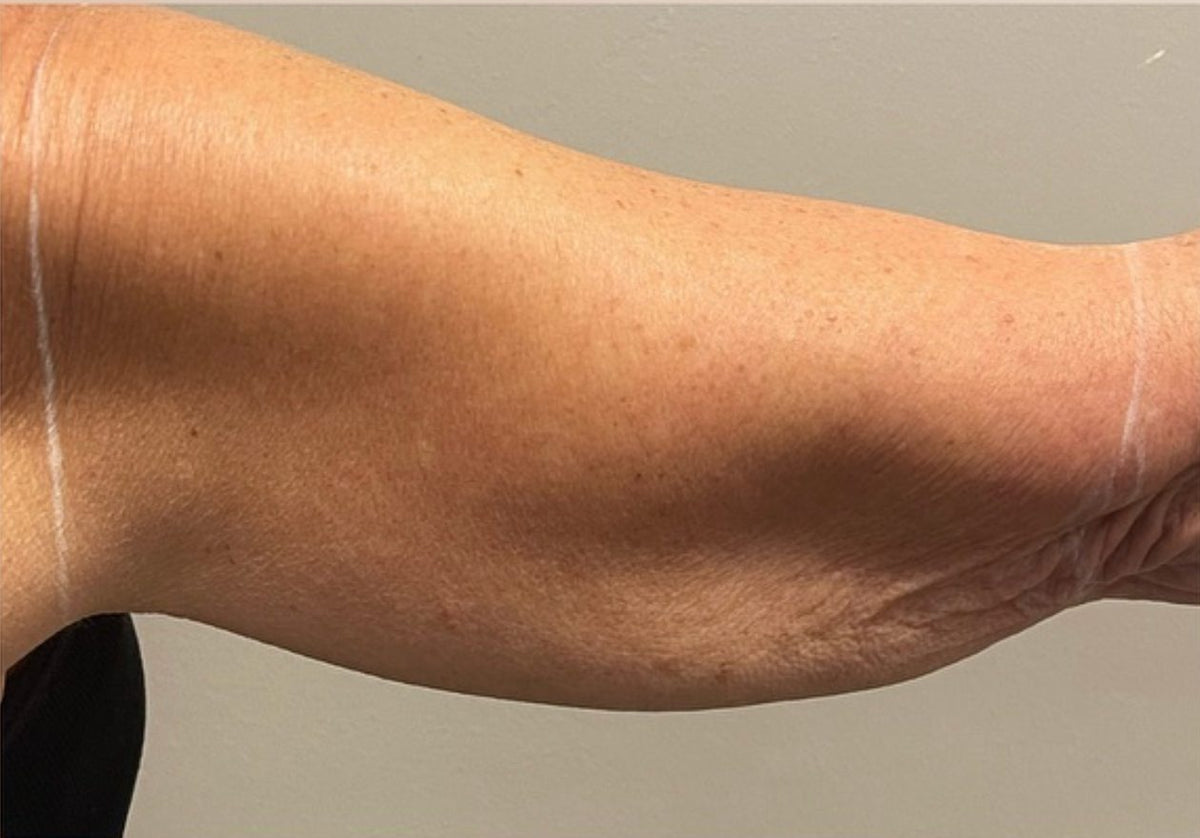
Subcutaneous Targeting
Stubborn Fat & Laxity
Step 1: Ultrasound mapping to pinpoint the subcutaneous layer depth.
Step 2: Example RF settings; 0.5 MHz, insulated needles, 60-pin array.
Results after 2 UltraVision™ treatments. Individual results may vary. Treatment by Aesthetics Biomedical® Inc.
Before
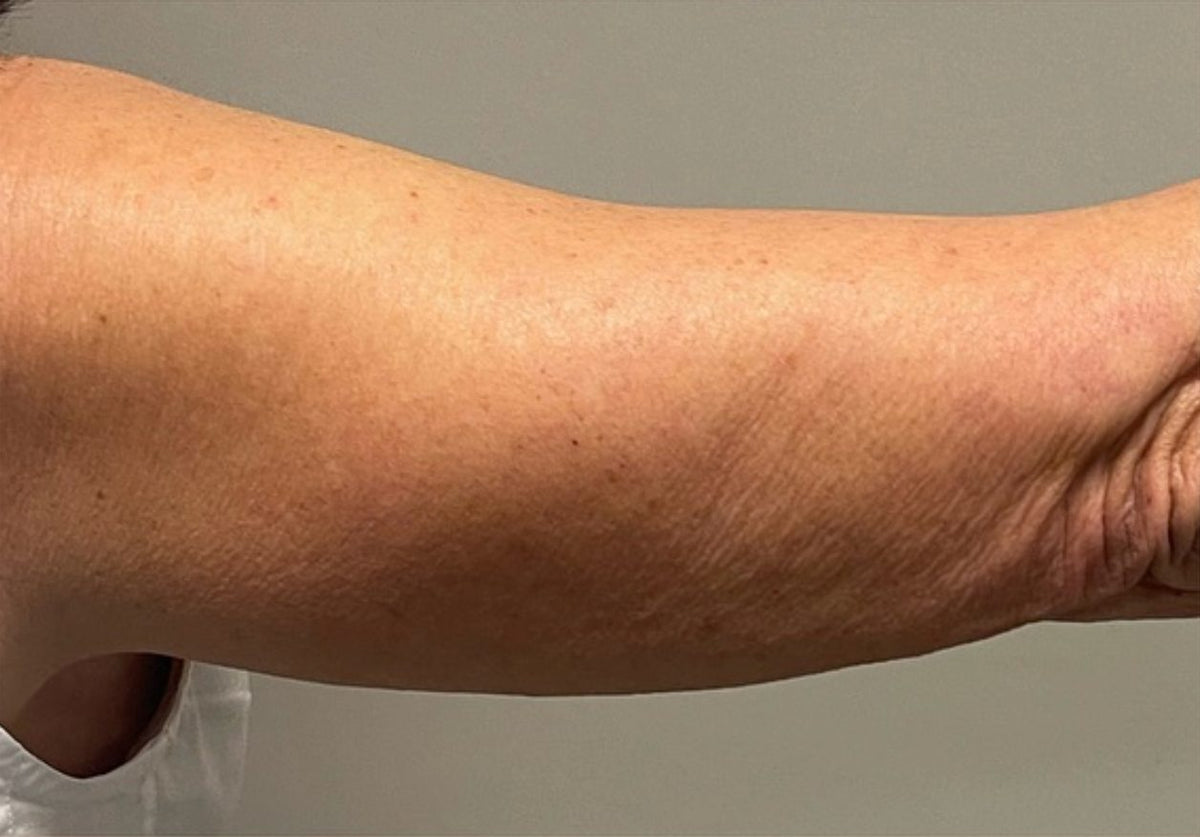
After
FAQ
Find the answer to some of the most commonly asked treatment FAQs
Why should a patient have ultrasound before an RF treatment?
The linear array, AI-powered ultrasound technology allows providers to visually map the skin of each patient to develop a personalised treatment in each layer of the skin, delivering robust efficacious results. A provider will be able to visualise the depth of skin layers to determine the optimal needle depth.
This eliminates guesswork and ensures improved outcomes. It also reduces the risk of common adverse events associated with radio-frequency (RF) treatments, such as the accidental targeting and melting away of fat pads in the face.
Does a UltraVision™ Microneedling with radio-frequency technology hurt?
Most patients do not report much pain during or after an UltraVision™ treatment. Sensations such as prickling or light pressure may occur during treatment. A numbing cream is applied to mitigate these sensations.
How long does an UltraVision™ treatment take to perform?
The treatment is generally completed within 30 minutes. This time may increase slightly if the treatment area is larger or requires greater precision around sensitive areas.
How many treatments does a patient need?
Most providers find that 3 to 4 treatments, spaced 4 to 6 weeks apart, provides the optimal experience for patients. While the results are often immediate for skin tone and texture, there is also improvement over a three-month period as the process of collagen regeneration increases over time.
What is the recovery/down time?
First 24 hours
Patients may experience minimal skin redness, tightness, and swelling in the first 24 hours post treatment. Patients should avoid vigorous exercise and the use of any skincare products besides the Soothe Mask and Boost Serum for the first 24 hours after treatment.
After 48 hours
Patients may resume vigorous exercise and using most skin moisturizers and other topical skincare products after two days. Makeup should be avoided for two to three days after treatment.
After 7 days
Patients should use the Boost Serum daily for seven days post treatment for best results. After one week, patients will begin to develop smoother, tighter skin. RF Microneedling post treatment side effects like swelling and skin redness should fully dissipate by this point.
What are the risks of an UltraVision™ treatment?
Some risks and potential side effects do exist. These may include the following:
- Infection
- Hyperpigmentation of the skin
- Bruising
- Swelling
Always consult with your Practitioner to determine if this treatment is right for you.
Who can't have an UltraVision™ Treatment?
Your Practitioner will determine if you are suitable for the treatment. Some contraindications for the device are:
This treatment is not appropriate for everyone. You may not be a candidate if you:
- Are pregnant or breastfeeding
- Are under 18 years of age
- Have a pacemaker, defibrillator, neurostimulator, or certain other implanted devices
- Have metal implants or other implants in the treatment area
- Have active cancer, infection, open wounds, or certain skin conditions in the treatment area
- Have uncontrolled diabetes, uncontrolled high blood pressure, bleeding disorders, or certain heart, blood vessel, or kidney conditions
For complete safety information, including all contraindications, warnings, and precautions, ask your healthcare provider.
Exclusively distributed by Avaderm®